(2018) www.sciencedirect.com From the publication: Patient interest in fertility and testicular size preservation and a desire to avoid lifelong medical therapy with testosterone drives the need to identify non-TTh [non-testosterone therapy] for hypogonadism
The dried samples were reconstituted using 200 HPLC mobile phase (10% v/v ACN in water), vortexed briefly, and subjected to HPLC separation and analysis
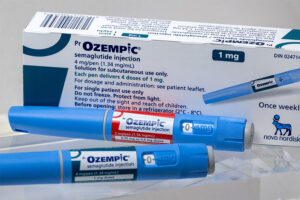
74 In a comparative study in obese male mice of vertical sleeve gastrectomy (VSG), semaglutide treatment, and controls, both interventions improved glycemic control and reduced body weight, but VSG significantly decreased energy expenditure and induced notable bone loss, whereas semaglutide preserved BMD over six weeks

These include anorectic effects driven by previously discussed central modulation of satiety and reward pathways and peripheral activation of vagal afferents, delayed gastric emptying, anti-inflammatory properties, potential impact on energy expenditure and the ability to reduce ghrelin levels, which are inherently elevated in PWS ( 2 to 11.3 kg/m 2 ( 2 in 10/14 cases, and an HbA1c improvement in 19/23 cases, without reported serious side effects ( Semaglutide at a dose of 2.4 mg weekly is the first weekly long-acting GLP-1 RA approved for non-syndromic obesity treatment with a mean weight change of 14.9% in individuals with obesity without diabetes ( Our case series presents the long-term efficacy and safety of semaglutide treatment in patients with PWS without diabetes as well as semaglutide efficacy and safety in PWS previously treated with metabolic surgery





.png)